Source eco friendly anti shrink custom hoodie for Gym, Yoga, and Cycling
Find 30 listings for eco friendly anti shrink custom hoodie with options for custom logos, colors, and sizes. Compare specifications including material, fabric weight, and packing details from suppliers in China.
Key considerations
Products List




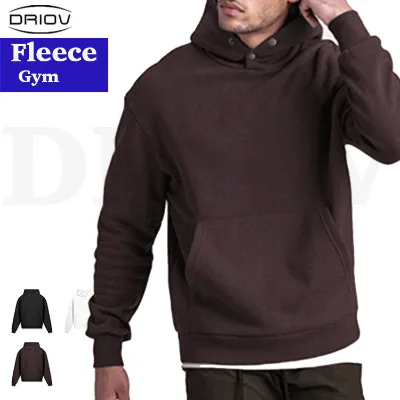


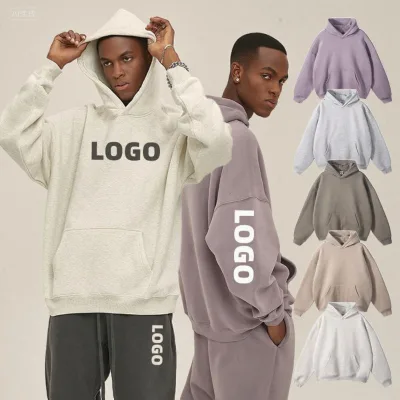


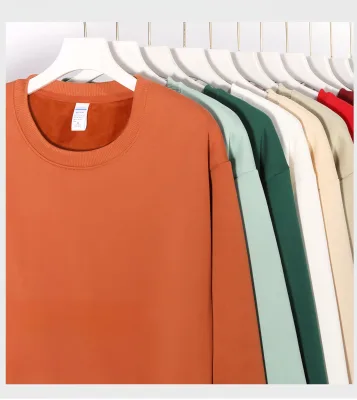


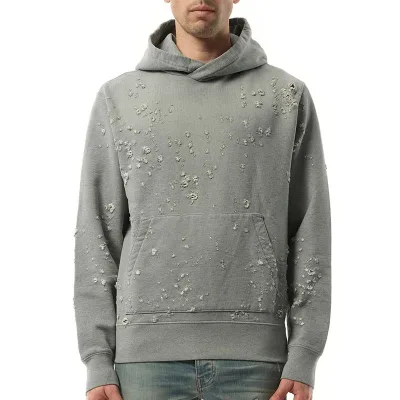
Comprehensive Sourcing Guide
Strategic Sourcing Guide for Eco-Friendly Anti-Shrink Custom Hoodies
Understanding Technical Specifications and Material Composition
When sourcing custom hoodies with specific performance attributes like anti-shrink properties and eco-friendly claims, the first step is a rigorous analysis of technical specifications. The market offers a diverse array of options, but the core keyword "eco friendly anti shrink custom hoodie" requires a buyer to distinguish between generic polyester blends and specialized cotton constructions. Based on available product data, the material composition is a primary differentiator. Some listings specify 100% Cotton with a fabric weight of 260 grams, while others utilize Polyester. The choice between these materials directly impacts the anti-shrink capability and the environmental profile of the final garment.
For buyers prioritizing the "anti-shrink" attribute, the construction of the fabric is critical. The provided data indicates that 100% Cotton options are available with specific Fabric Type: Knitted and Style: Pullover. In the context of cotton, anti-shrink properties are often achieved through pre-shrinking processes during manufacturing or specific chemical treatments. The data also lists Feature: Anti-shrink as a distinct attribute, suggesting that suppliers can engineer this into the garment. However, buyers must verify if this feature is inherent to the raw material or a result of post-production finishing.
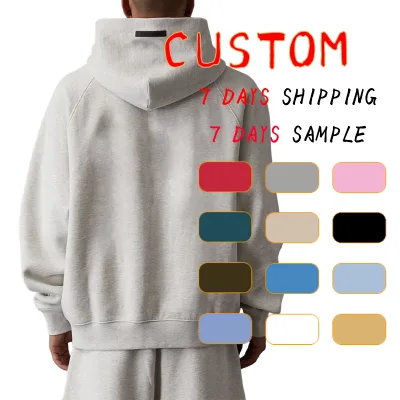
The customization aspect is equally vital. The observed product range includes Custom Color options, with a wide palette ranging from Light beige and White to Deep Pink, Navy Blue, and Black. Furthermore, the Logo and Label are fully customizable, allowing for Custom Logo, Custom Label, and Custom Tags. The Pattern Type is noted as DIY, indicating flexibility in design application. Buyers should note that the Collar style is consistently Hooded, and the Fit Type can vary, with Oversized fits being a specific option in the current market data. The Length is generally Regular, but Custom sizing is available, spanning from Xxxs to Xxxl and beyond, ensuring a broad demographic reach.
Compliance Verification and Certification Standards
The term "eco-friendly" is frequently used in B2B procurement but requires strict verification to avoid greenwashing. While the provided data does not explicitly confirm that every listed product holds specific third-party certifications, it does reference GOTS (Global Organic Textile Standard) and OEKO-TEX as relevant background standards. Buyers must treat these as verification targets rather than automatic inclusions.
To ensure a product truly meets eco-friendly criteria, procurement teams should request documentation for GOTS certification, which covers the entire supply chain from harvesting of raw materials to environmentally and socially responsible manufacturing. Similarly, OEKO-TEX certification verifies that the textile is free from harmful substances. The data also mentions Needle detection: Yes, which is a critical quality control step for safety but does not inherently equate to environmental sustainability. However, the presence of Needle detection indicates a supplier with a robust quality assurance system, which often correlates with higher compliance standards.
Buyers should also investigate the Supply Type, which is listed as ODM (Original Design Manufacturer). ODM suppliers often have more control over the material sourcing and production processes, making them potential candidates for eco-friendly initiatives. However, the buyer must explicitly ask for proof of organic cotton sourcing or recycled polyester content. The Feature: Eco-Friendly is listed as an attribute, but without a specific certification number or audit report, this remains a claim that requires validation. The Place of Origin is identified as China, specifically Fujian, which is a major manufacturing hub. While this location is known for textile production, it does not guarantee eco-compliance without specific supplier audits.
Cost Drivers and Pricing Dynamics
The pricing structure for custom hoodies is influenced by several variables, including material composition, customization complexity, and order volume. The observed listed price range in the current market data is 2-28 USD. This wide range suggests significant variation based on the factors discussed below.
Material Cost: The choice between 100% Cotton and Polyester is a primary cost driver. Organic cotton, if required for eco-friendly claims, typically commands a higher price point than conventional cotton or synthetic blends. The Fabric Weight of 260 grams is a standard mid-weight, but heavier or lighter options will alter the cost per unit.
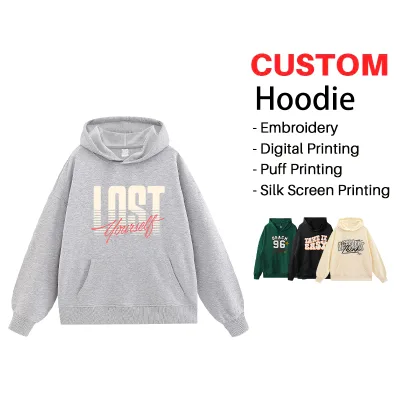
Customization Complexity: The ability to add Custom Logo, Custom Label, and Custom Tags adds to the production cost. The data lists various Technics such as Embroidered, Printed, Washed, Beaded, Puff Print, and 3D embroidery. Each of these techniques requires different machinery, labor, and time. For instance, Puff Printing and 3D embroidery are more labor-intensive and expensive than standard Plain Dyed or Machine embroidery methods. The Logo position is typically Front, but multi-position printing increases costs.
Order Volume and MOQ: The Observed MOQ range is 2-200 units. Lower MOQs, such as 2 units, often come with a higher unit price due to the setup costs for customization. Conversely, larger orders can leverage economies of scale. The Packing method also affects logistics costs. Some products are packed as 1PC/Polybag, while others are 40-80PCS in a Carton. The Single gross weight is noted as 0.700 kg, which is essential for calculating freight costs.
Lead Time and Sample Costs: The data indicates a 7 days sample order lead time is supported. While this is a competitive advantage, rush orders or complex customizations may extend this timeline. The 7 days figure is a specific observation for sample orders, but bulk production lead times are not explicitly defined in the data and must be negotiated.
Typical Applications and Market Segmentation
The versatility of custom hoodies allows them to serve a wide range of applications, from corporate branding to athletic performance. The Usage attributes listed in the data are extensive, covering Ball Sports, Soccer, Racing, Cycling, Fitness, Ski, Rugby/Football, Track and Field, Water Sports, Gym, Yoga, Basketball, Hockey, Martial Arts & Boxing, Rockcraft, Dancing, Tennis, Equestrian, and Custom uses. This breadth indicates that the product is suitable for both high-intensity athletic activities and casual wear.
For Gym Fitness Hoodies/Jacket applications, the Feature: Breathable and Anti-Pilling attributes are crucial. The Fabric Type: Knitted and Fit Type: Oversized make these garments ideal for layering during workouts. The Season: Winter designation suggests that the 260 grams fabric weight provides adequate warmth for colder climates, making them suitable for outdoor winter sports like Ski or Rugby.
In the corporate and promotional sector, the Custom Logo and Custom Label features are paramount. Companies often use these hoodies for employee uniforms, team apparel, or promotional giveaways. The Pattern Type: DIY allows for unique designs that can reflect a brand's identity. The Color options, including Light Pink, Mocha, and Klein Blue, enable brands to align with their specific color palettes.
The Gender: Men specification in the data highlights a primary target demographic, but the Custom sizing and Oversized fit often make these garments unisex or adaptable for other demographics. The Style: Pullover is a classic choice that appeals to a broad audience, while the Hooded collar adds a functional element for weather protection.
Supplier Evaluation and Quality Assurance
Selecting the right supplier is critical for ensuring that the "eco-friendly" and "anti-shrink" claims are met. The Supply Type: ODM suggests that the supplier has design capabilities, which is beneficial for custom projects. However, buyers must evaluate the supplier's ability to maintain consistency across large batches.
Quality Control Measures: The data explicitly mentions Needle detection: Yes, which is a non-negotiable safety standard for textile products. This indicates that the supplier has a system in place to detect metal contaminants, ensuring the safety of the end-user. Buyers should also inquire about other quality control steps, such as Washed and Bleach Wash processes, which can affect the final appearance and durability of the garment.
Production Standards: The Standard dimensions provided, such as 404060 and 60x40x40cm, likely refer to packaging or storage standards rather than garment dimensions. Buyers should verify the actual garment measurements against the Size specifications (e.g., S, M, L, XL). The Single package size of 40X40X2 cm is useful for logistics planning.
Supplier Reliability: The Place of Origin: Fujian, China is a known textile hub, but buyers should conduct due diligence on specific factories. Checking for GOTS or OEKO-TEX certification is essential for eco-friendly claims. The 7 days sample order lead time is a positive indicator of responsiveness, but buyers should also assess the supplier's capacity for bulk production.
Long-Term Procurement Considerations
Sourcing custom hoodies is not just a one-time transaction; it requires a long-term strategy to ensure consistency and cost-effectiveness. The Customization: Available attribute suggests that suppliers are willing to adapt to changing design needs, which is valuable for brands that frequently update their product lines.
Scalability: As order volumes grow, buyers should negotiate better pricing and lead times. The MOQ range of 2-200 allows for flexibility in the early stages, but larger orders may require different terms. The Packing options, such as Custom Bags and 40-80PCS in a Carton, can be optimized for shipping efficiency as volumes increase.
Sustainability Commitment: For brands committed to sustainability, the Eco-Friendly feature should be a core part of the procurement strategy. This involves regular audits of the supplier's practices and ensuring that the 100% Cotton or Polyester used meets the desired environmental standards. The Feature: Anti-Wrinkle and Anti-Pilling also contribute to the longevity of the garment, reducing waste and aligning with sustainability goals.
Market Trends: The Season: Winter designation and the Fit Type: Oversized trend suggest that buyers should monitor fashion trends to stay competitive. The Color options provided, such as Milk Tea Apricot and Mangosteen Green, reflect current color trends, and buyers should ensure their suppliers can keep up with these shifts.
Summary of Key Sourcing Parameters
To facilitate a clear comparison of the available options, the following table summarizes the key technical and commercial parameters observed in the market data.
| Parameter | Observed Range/Options | Verification Requirement |
|---|---|---|
| Material | 100% Cotton, Polyester | Verify organic content for eco-claims |
| Fabric Weight | 260 grams | Confirm consistency across batches |
| Size Range | Xxxs to Xxxl, Custom | Check size chart accuracy |
| Customization | Logo, Label, Color, Pattern | Confirm print durability and placement |
| MOQ | 2 - 200 units | Negotiate based on volume |
| Lead Time | 7 days (Sample) | Confirm bulk production timeline |
| Certifications | GOTS, OEKO-TEX (Background) | Request valid certificates |
| Packing | 1PC/Polybag, 40-80PCS/Carton | Optimize for shipping costs |
| Features | Anti-shrink, Breathable, Eco-Friendly | Request test reports for claims |
By adhering to these guidelines and verifying the specific attributes against the provided data, buyers can make informed decisions when sourcing eco-friendly, anti-shrink custom hoodies. The focus should remain on transparency, verification of claims, and building a relationship with suppliers who can deliver consistent quality and compliance.
FAQs
What materials are used for eco friendly anti shrink custom hoodies?
Materials include 100% Cotton and Polyester, with cotton options featuring a 260 grams fabric weight. Buyers must verify if anti-shrink properties result from pre-shrinking processes or chemical treatments rather than just the raw material composition alone.
How can I verify eco-friendly claims for these custom hoodies?
Buyers should request documentation for GOTS or OEKO-TEX certification to validate eco-friendly claims. The presence of a Needle detection feature indicates robust quality control, but specific audit reports are required to confirm environmental sustainability standards.
What is the price range for sourcing these custom hoodies?
The observed listed price range is between 2 and 28 USD per unit. This variation depends heavily on material choices like 100% Cotton versus Polyester and the complexity of customization techniques such as Puff Printing or 3D embroidery.
Can I get custom colors and logos on these hoodies?
Yes, Custom Color options include Light beige, White, Navy Blue, and Black among others. Suppliers support Custom Logo, Custom Label, and Custom Tags with DIY Pattern Type flexibility for unique brand designs.
What are the minimum order quantities for these products?
The observed MOQ range spans from 2 to 200 units depending on the supplier. Lower MOQs like 2 units often carry higher unit prices due to setup costs, while larger orders leverage economies of scale for better pricing.
How long does it take to get samples for these hoodies?
A 7 days sample order lead time is supported for these custom hoodies. While this is competitive, complex customizations or bulk production orders may require extended timelines that must be negotiated directly with the supplier.